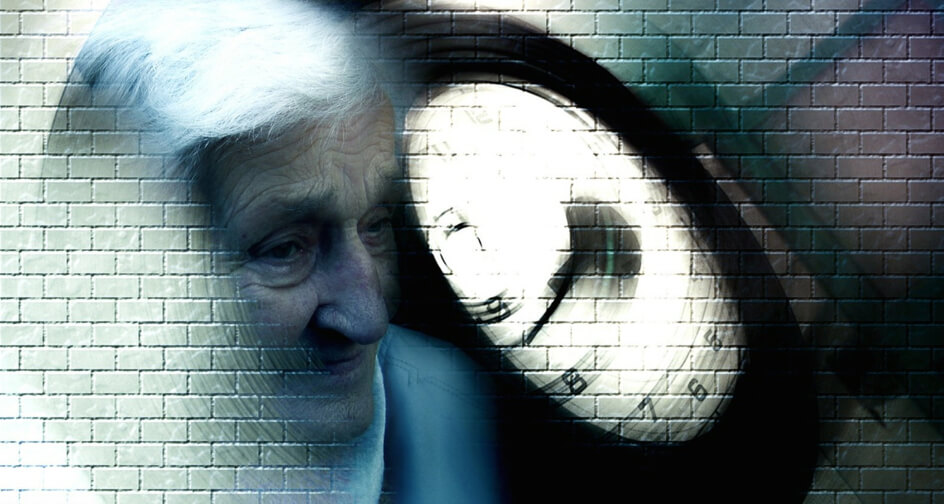

What Can Cause Personality Changes in the Elderly?
As individuals age, changes in behavior and personality are often noticed, both by family members and caregivers. While some degree of personality shift can be normal as a person ages, significant or sudden changes in personality could signal underlying issues that need attention. Understanding the causes of these personality changes is essential for family members, caregivers, and health professionals to offer appropriate care and support.
At Devoted Helpers, we recognize how important it is to understand the complexities of aging, especially when it comes to the emotional and behavioral changes in seniors. In this article, we’ll explore the potential causes of personality changes in the elderly and how caregivers in Wichita, KS, can assist in managing them.
Cognitive Decline – Dementia and Alzheimer’s Disease
One of the most common causes of personality changes in the elderly is cognitive decline, particularly conditions like Alzheimer’s disease and other forms of dementia. These conditions affect memory, thinking, and the ability to process information. As a result, individuals with dementia may display a wide range of personality changes, such as…
- Increased irritability or mood swings
- Apathy or withdrawal from social interactions
- Confusion or disorientation, leading to behaviors that seem out of character
- Aggression or paranoia
The progression of dementia can lead to severe personality shifts as a person loses their sense of identity. Family members and caregivers must be patient, compassionate, and observant of any sudden changes, as early detection and medical intervention can help manage symptoms.
Depression and Anxiety
Depression is often overlooked in the elderly, yet it can have a significant impact on a senior’s personality. Changes in mood, energy levels, and outlook on life are common symptoms of depression, including…
- Loss of interest in activities once enjoyed
- Irritability or feelings of hopelessness
- Increased social withdrawal
- Sleep disturbances or excessive fatigue
In addition to depression, anxiety disorders are prevalent among older adults. Seniors may become anxious or fearful about their health, the future, or their independence, which can manifest as noticeable changes in behavior. Addressing mental health concerns and providing proper care is crucial in improving quality of life for seniors dealing with these conditions.
Medication Side Effects
Medications are often an essential part of managing health in the elderly. However, certain medications may cause side effects that alter personality. Drugs such as antidepressants, antipsychotics, or medications for high blood pressure can lead to…
- Confusion
- Mood swings
- Hallucinations or delusions
- Disorientation
It’s essential for caregivers to monitor the elderly individual’s response to medications and consult with healthcare providers about any concerning changes. Adjusting dosages or switching to different medications may be necessary to alleviate these side effects.
Chronic Illness and Pain
Chronic physical conditions, such as arthritis, heart disease, stroke, or diabetes, can significantly affect an individual’s quality of life. The ongoing pain or discomfort associated with these conditions may lead to irritability, frustration, and even feelings of depression or hopelessness. Personality changes such as withdrawal, anger, or emotional outbursts are often related to the physical limitations of these conditions.
As caregivers, it’s important to support the senior in managing their physical health and addressing any emotional challenges that arise from chronic illness. Regular visits to healthcare providers and pain management strategies are essential in preventing these conditions from affecting their emotional well-being.
Social Isolation and Loneliness
Social connections and engagement are vital for maintaining mental health in the elderly. When seniors experience social isolation due to the loss of friends, family, or physical mobility, it can lead to significant personality shifts. These changes may include…
- Depression
- Increased irritability
- Lack of interest in social activities
- Feelings of abandonment or neglect
Providing companionship and encouraging social interactions through family visits, group activities, or community involvement can help prevent loneliness from taking a toll on a senior’s emotional health.
Sleep Disorders
Sleep disturbances, including insomnia, sleep apnea, or other sleep-related issues, can lead to mood swings and personality changes in the elderly. Poor sleep can contribute to…
- Irritability and emotional outbursts
- Memory problems
- Increased fatigue, leading to apathy or withdrawal
Identifying and addressing sleep disorders can significantly improve mood, cognitive function, and overall well-being.
Brain Injury or Stroke
A stroke or head injury can cause significant damage to the brain, leading to changes in personality and behavior. Depending on the location and severity of the injury, a senior may experience…
- Aggressive behavior
- Increased emotional sensitivity
- Mood swings or depression
Following a stroke or brain injury, prompt medical care and rehabilitation are essential for minimizing long-term personality changes and improving the senior’s recovery.
Non-Medical Support from Devoted Helpers
Devoted Helpers provides non-medical home care, companionship, homemaking, and everyday assistance in Wichita, Kansas. We can help with personal routines, meal preparation, light housekeeping, errands, and social interaction.
The medical services discussed in this article must be provided by appropriate licensed healthcare professionals. Devoted Helpers does not provide medical diagnosis or treatment, skilled nursing, wound care, physical or other therapy, medication administration, or hospice services.
For help with everyday life at home, call (316) 570-9489 or contact Devoted Helpers to discuss your non-medical support needs.