
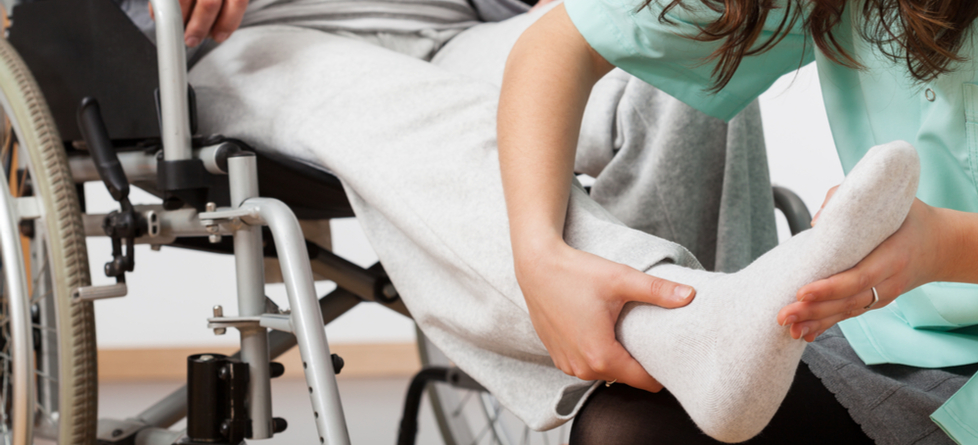
Exercise for a Paralyzed Person at Home
At Devoted Helpers in Wichita, KS, we understand the importance of physical activity for paralyzed individuals. Regular exercise helps improve circulation, prevent muscle atrophy, and enhance overall well-being. While movement may be limited, there are still safe and effective exercises that can be done at home.
Here’s a guide to exercises that can help maintain strength and flexibility…
Benefits of Exercise for Paralyzed Individuals
- Improves Blood Circulation – Reduces the risk of blood clots and pressure sores.
- Prevents Muscle Atrophy – Maintains muscle tone and strength.
- Enhances Flexibility – Reduces stiffness and improves mobility.
- Boosts Cardiovascular Health – Encourages heart and lung function.
- Supports Mental Health – Promotes relaxation and reduces stress.
Safe Exercises for Paralyzed Individuals
Passive Range-of-Motion (ROM) Exercises
- Assisted Leg & Arm Movements – A caregiver gently moves the limbs to maintain flexibility.
- Ankle & Wrist Rotations – Improves joint mobility and circulation.
- Gentle Stretching – Prevents stiffness and enhances muscle length.
Strength-Building Exercises
- Resistance Band Training – Using bands for arms and shoulders to build muscle.
- Grip Strength Exercises – Squeezing therapy balls to improve hand function.
- Shoulder Shrugs & Arm Raises – Helps strengthen upper body muscles.
Breathing & Core Exercises
- Deep Breathing Exercises – Strengthens lung capacity and prevents respiratory issues.
- Seated Core Twists – Improves balance and torso strength.
- Abdominal Contractions – Helps maintain core stability.
Assisted Standing & Weight-Bearing Activities (If Medically Approved)
- Standing Frame Support – Encourages bone health and posture alignment.
- Parallel Bar Exercises – Helps improve balance and coordination.
Adaptive Yoga & Chair Exercises
- Neck & Shoulder Stretches – Relieves tension and promotes relaxation.
- Seated Arm & Leg Raises – Enhances movement and flexibility.
- Mindful Breathing & Meditation – Reduces anxiety and improves mental clarity.
Additional Tips for Safe Exercise
- Always Consult a Physician or Physical Therapist – Ensure safety before starting any exercise routine.
- Use Proper Support & Equipment – Utilize braces, straps, and adaptive tools when needed.
- Monitor for Discomfort or Fatigue – Avoid overexertion and rest when necessary.
- Stay Hydrated – Drink enough fluids before and after exercises.
- Involve a Caregiver for Assistance – Helps ensure correct movements and safety.
Non-Medical Support from Devoted Helpers
Devoted Helpers provides non-medical home care, companionship, homemaking, and everyday assistance in Wichita, Kansas. We can help with personal routines, meal preparation, light housekeeping, errands, and social interaction.
The medical services discussed in this article must be provided by appropriate licensed healthcare professionals. Devoted Helpers does not provide medical diagnosis or treatment, skilled nursing, wound care, physical or other therapy, medication administration, or hospice services.
For help with everyday life at home, call (316) 570-9489 or contact Devoted Helpers to discuss your non-medical support needs.
Why Choose Devoted Helpers?
- Experienced & Compassionate Caregivers – Dedicated to personalized support.
- Flexible Care Solutions – Part-time, full-time, and respite care available.
- Reliable & Trustworthy Services – Ensuring safety, comfort, and dignity.